
My son was interested in playing a classic Vampire The Masquerade game, I thought it would be fun to revisit that game. My wife had played Vampire back in the day so I thought it would be a pretty easy thing to do. So we started to make characters, and that’s were the fun started then stopped. My son was amazed by all the moving parts and I tried to inform him of the decisions he was making. It was a lot of this or that’s. My wife found it less interesting, she was ahead of the curve at remembering why we don’t play the game anymore.
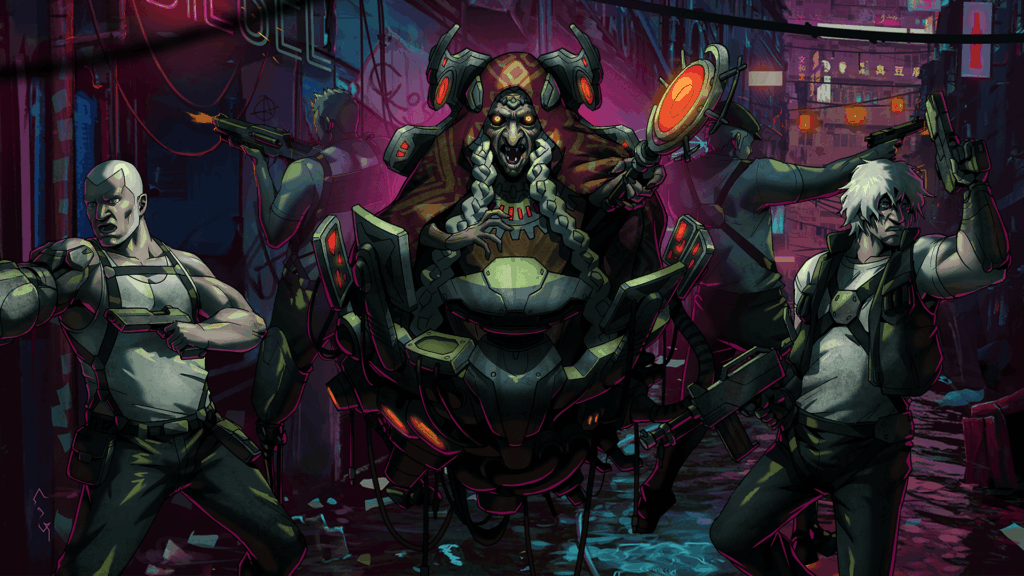
Short interlude, I had recently bought everything of Otherscape based mostly on the art and the setting. I bounced off Fate and Powered by the Apocalypse games–two if its main influences, but still found the template approach and tag harvesting to be interesting. Still not a game I saw myself playing.
Now back to Vampire. Each new choice made me weary. My sone with young and fresh eyes was less demoralized, but also started to see that each choice really wasn’t as important as the game would make you think. I realized some of the biggest choices in the game had very little mechanical outcome at the table and so much else was hustling a dot or two to make a better, more effective character. (One day I’ll write why min-max-ing is important, it’s going to come up again latter in this post.). In the end we had a few characters whose concepts seemed much better than the sheets revealed. My wife even wrote an introductory fiction piece that was far better than would ever happen at the table.
Around the same time I was helping a co-worker build a D&D 5e character. Though I have owned 5e since it came out, I have only played it once–which was enough. Further 5.5e just came out so there was a bit of quick learning to figure out what changed. Again, a series of choices to make the best character to hit the table. I emphasized to my co-worker you need to ask what you want to do when you roll dice and make your choices to optimize that. They bought in and we made an interesting character, but once again those choices didn’t really show up in the game math and there was little role-playing choices that -I- think should matter.
Up until now I would always put myself the traditional RPG category. Story games may be fine for others, but not me. But then I was reading the rules for Otherscape. It stated you rolled for effect, it’s a narrative first game. You found relevant tags and made your roll, not to do something like hit the dude, but to damage the dude…or to embarrass the dude…or to grab his favourite pen. Succeeding in the story game game conditions, which is just a fancy way of saying “damage”. This game cut through a lot of things including hit points, dodge rolls–basically a lot of unnecessary rolling to arrive at a similar position. And while I wasn’t entirely happy with the 2d6 resolution I was really seeing how a simpler system actually could have much better character idea to table choices than the traditional games I was clinging to.
So now I’m am contemplating changed the core mechanic of Otherscape to something like OVA, but still being able to use all the templates and pregens as is to make a version of Shadowrun that is much more interesting at the table–and probably less intimidating and more fun to build characters.